To fish in the sea for a living
To sing on the shore for living
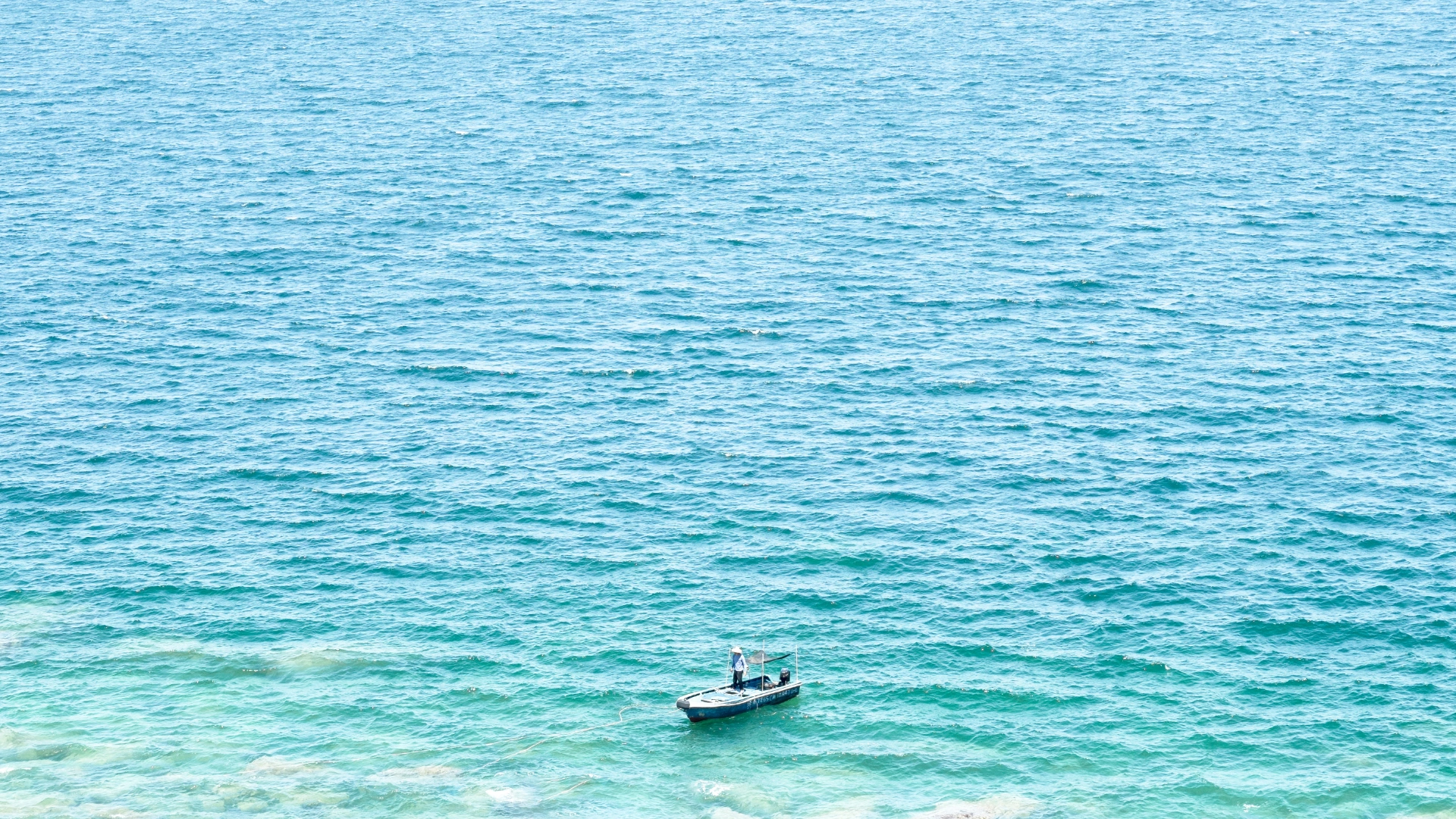
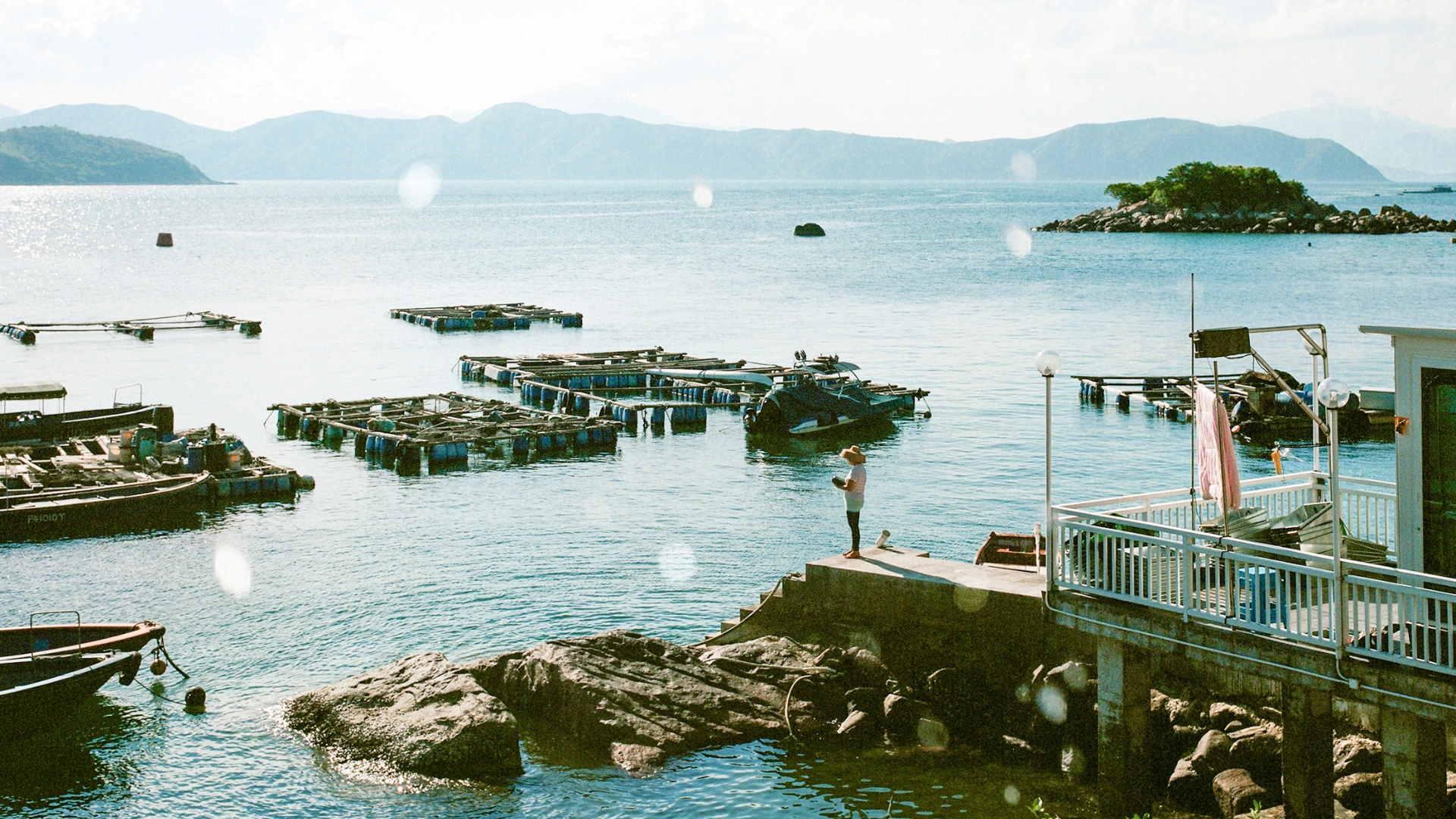
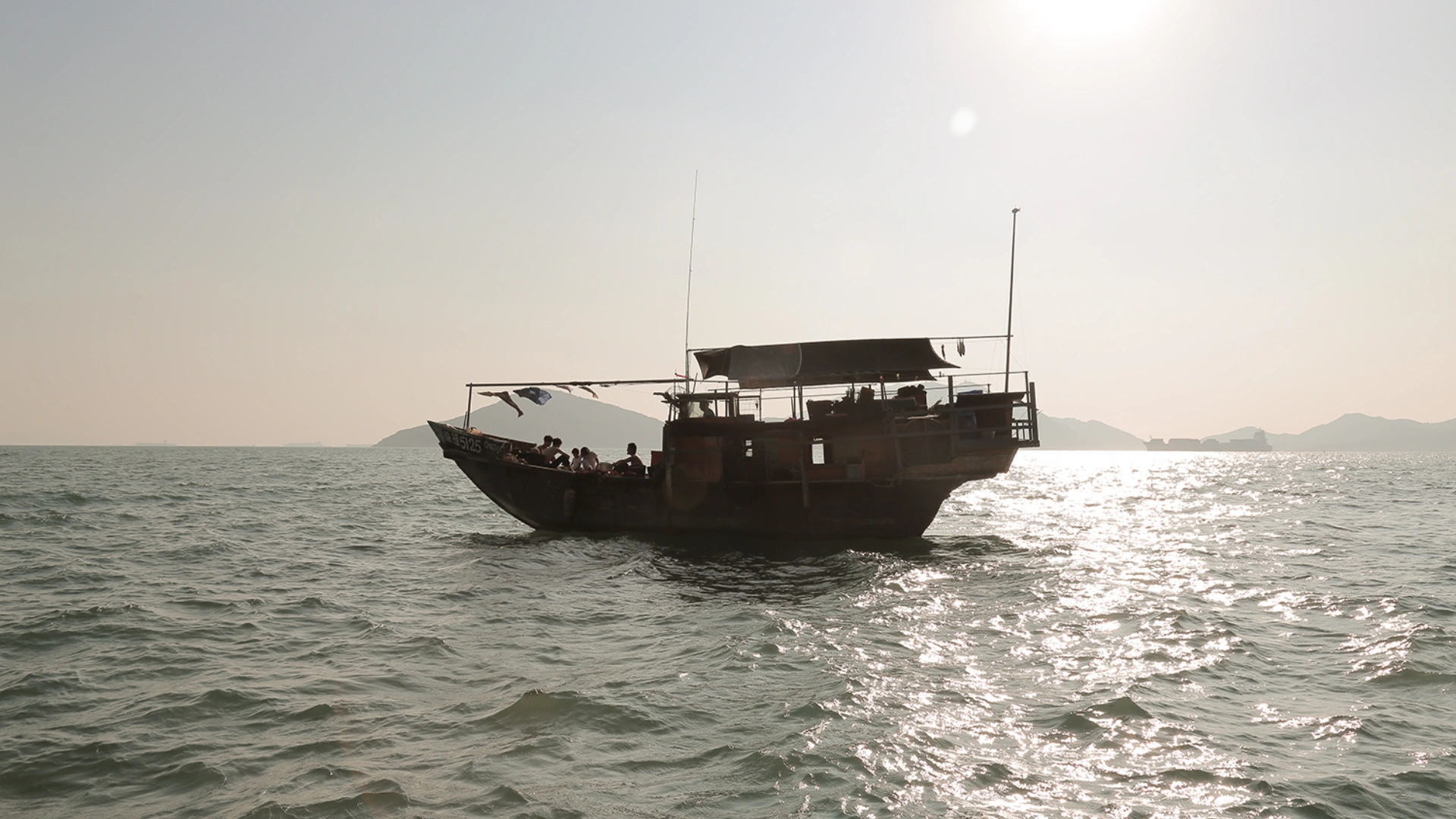
On the small island of Tap Mun, the ocean breeze gently lifts up strands of grey hair on Lai Lin-shau’s head. He quietly sings in the characteristic tones of the fisherman’s ballads: “Anchor large boats at the tip of To Nin / A sampan sends the lover to Sai See Island…” The melody alters with his moods and, seemingly without rules, the pitch and tones alternate and repeat themselves as if they were synchronising with the ocean waves. The lyrics of these ballads tell of the trials and tribulations of the life of the fisherman. The Lai family had, for generations, fished for a living in the waters of Tap Mun, their ballads passed down from one generation to the next, but the songs are finding fewer and fewer listeners today. Born before World War Two, Mr Lai has been married to his wife for more than 60 years. He is one of the few people alive who intimately knows these fisherman’s ballads. None of his children followed the ancestral path of a fisherman, and none experienced the harsh and unforgiving life at sea. They are not even aware of his singular and priceless knowledge of the ballads.
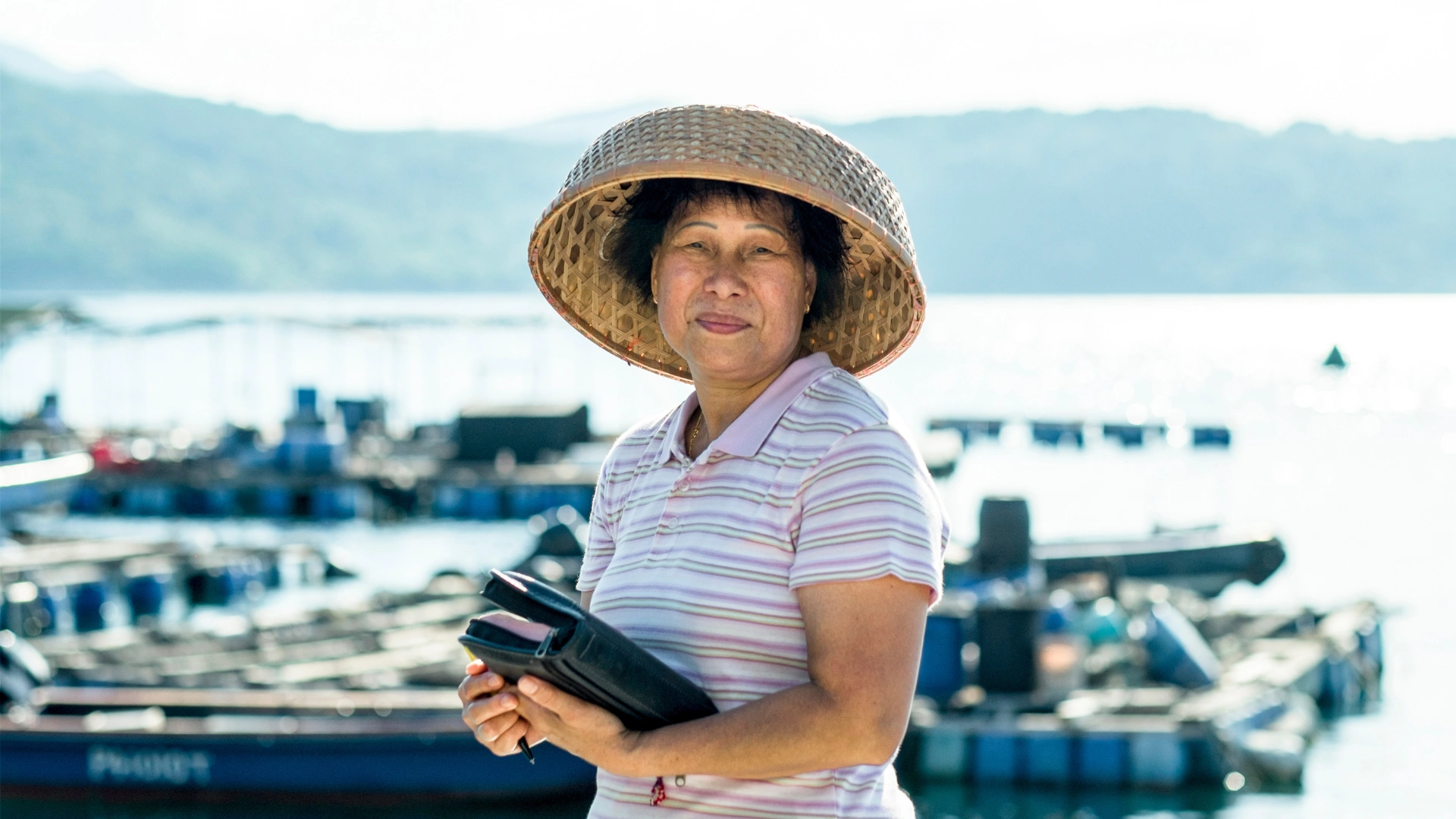
Deeply tanned skin and a whiff of sea salt are the distinctive signs of an old fisherman. As the fishing community shrinks, they have found new ways of life on land. One performs and teaches the ballads to young children; another uses the ballads to spread her Christian faith. The ballads have become a spiritual harbour for these landed fishermen and appear to offer solace and certain selective nostalgia to a life of hardship. These ballads were once part of the nautical landscape of Tap Mun, and as the memories of the fishermen’s past lives fade, the words and melodies have come ashore, bringing spiritual serenity to those who hear the songs of the sea.